 Ballymena United Hub
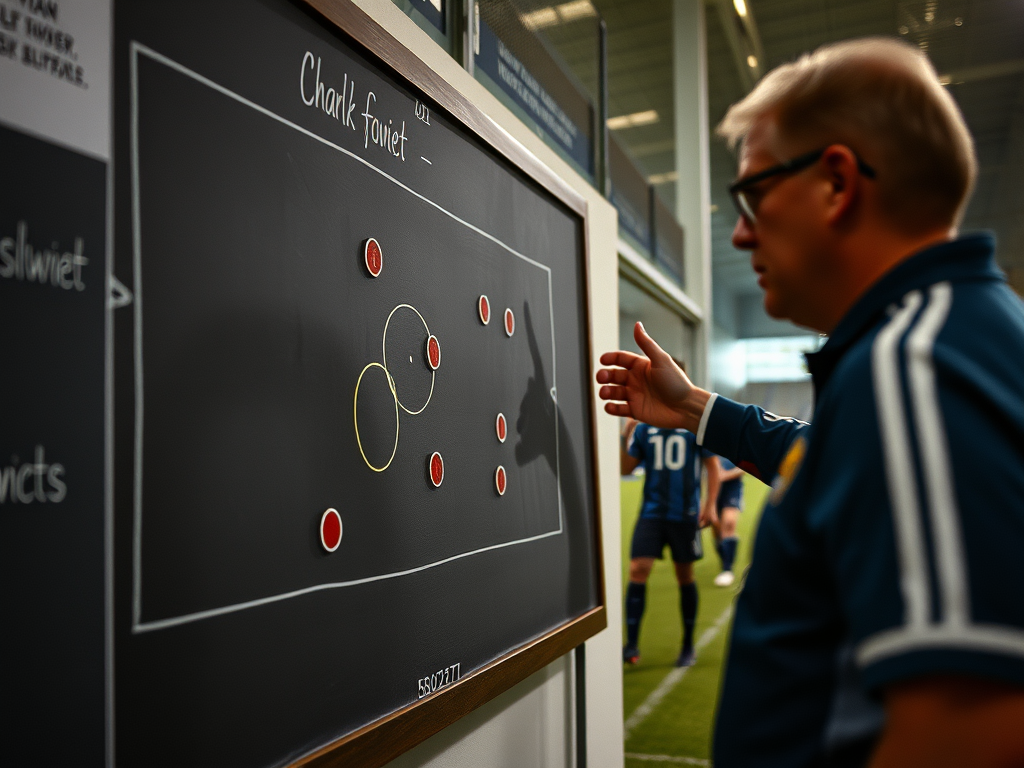
In recent weeks, Ballymena United has demonstrated flashes of brilliance but has struggled to maintain a cohesive midfield presence throughout matches. As the Sky Blues look to solidify their position in the Northern Ireland Premiership, a closer examination of their midfield dynamics reveals opportunities for tactical adjustments that could elevate their game.
One of the key areas where Ballymena United can improve is their midfield shape during transitions. Currently, the team tends to adopt a narrow formation that leaves them vulnerable to counter-attacks. By encouraging the wide midfielders to stretch the play and occupy the flanks more effectively, Ballymena can create better spacing, allowing for a more fluid transition from defense to attack. This adjustment would not only provide more options for the wing-backs but also help to overload the opposition's defensive lines, creating gaps for strikers to exploit.
Furthermore, the role of the central midfielders is crucial in dictating the tempo of the game. While Ballymena has strong individuals who can hold possession, there is a tendency for the midfield to become static, especially when faced with high pressing from opponents. Introducing a more dynamic approach, where one midfielder regularly makes forward runs while the other remains disciplined defensively, could disrupt opposing defenses and create more goal-scoring opportunities. This strategy could also help to relieve pressure, allowing the backline to push up and maintain a higher defensive line.
In addition to these changes, enhancing the interplay between the midfield and forward line is essential. Currently, the link-up play can be sporadic, leading to isolated attacking opportunities. Implementing a more structured approach, such as utilizing a number 10 who can drop deep to receive the ball and create space for the strikers, could enhance this connection. A player capable of threading through balls or making incisive runs can be the catalyst for breaking down compact defenses, particularly against teams that set up defensively.
Defensively, the midfield needs to adopt a more proactive stance in regaining possession. The current strategy often relies on the back four to win the ball back, which can lead to gaps if the opposition's front line is quick on the break. Encouraging midfielders to press higher and engage in duals further up the pitch could disrupt the opponent's rhythm and regain possession before they can advance into dangerous areas. This would also allow Ballymena to capitalize on any turnovers and transition quickly into offensive play.
Finally, maintaining fitness levels is paramount as Ballymena United navigates a busy schedule. A well-structured rotation policy that keeps the squad fresh can prevent fatigue-related lapses in performance, particularly in midfield where stamina is crucial for maintaining high pressing and quick transitions. Incorporating performance analytics to monitor players’ workloads and adjust training regimes accordingly could provide the Sky Blues with that extra edge as the season progresses.
In conclusion, while Ballymena United has shown potential in their recent games, there is room for tactical refinement in midfield. By enhancing their shape during transitions, fostering dynamic interplay, and promoting proactive defensive engagement, the Sky Blues can build a more resilient and effective midfield that supports their ambitions in the league. As they continue to develop under pressure, these adjustments could be the key to unlocking greater consistency and success.